第二世界超现实摄影插画海报
来源: @xiaoxiaodong模型: ChatGPT
📸 示例图片
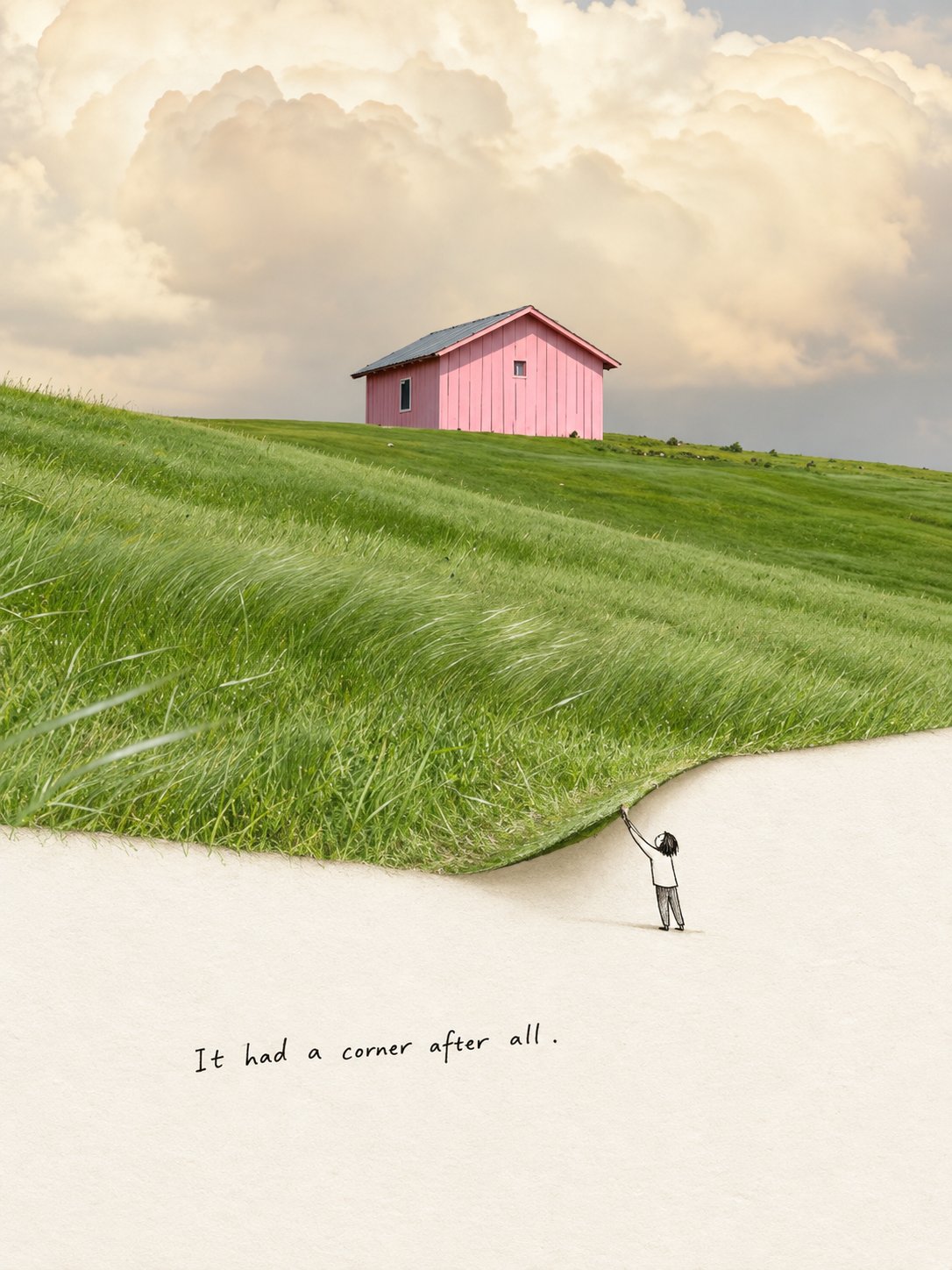
提示词
English
Please create an independent 3:4 vertical "Second World" conceptual surrealist photography illustration poster based on each photograph I upload, outputting each one individually without collaging. The overall top and bottom are strictly 1:1. The upper half is the original realistic photograph, and the lower half is another layer of space growing out from within the photograph; the two are not a top-and-bottom splice, but a continuous existence of the same moment in different narrative layers. The upper half should preserve the original photograph as faithfully as possible, without changing the subject, action, spatial relationships, lighting, color, and realistic texture, making only necessary proportional cropping and slight high-end tonal refinement to give it a clean, restrained, independent publication-like photographic quality. The creative focus is not on the "subject matter," but on the re-understanding of the visual structure. First observe the most decisive structural clues in this photograph, such as boundaries, slopes, water surfaces, reflections, shadows, cracks, roads, branches, clouds, outlines, gaps, flow directions, repetitive rhythms, spatial transitions, or character poses; find the part most suitable for "crossing the boundary" from among them. Then let it break through the photograph's boundary, enter the lower half, and undergo a translation of use, scale, semantics, or narrative role after entering. It is not a simple extension, but letting something in reality become another kind of existence in the second layer of space that can be used, entered, measured, salvaged, repaired, organized, borrowed, unfolded, or collected. The lower half is a warm, quiet, warm-off-white space with fine paper texture, retaining ample white space. It is not an illustration background or a decorative area, but a place that carries the "new logic after crossing the boundary." The top-bottom relationship should conform to: Reality → Crossing → Translation. The visual interest comes from a clever and accurate cross-layer narrative, rather than cute decoration. Minimalist black hand-drawn line-art characters can be added, but they should be few and precise, 0–3 is sufficient. Characters are not decorations, but users of the Second World; they must have real interaction with the translated structure. Lines should be light, simple, natural, with a slight handcrafted feel, not cute, not complex, and not overshadowing the main subject. Actions should be specific, restrained, and clever, as if seriously handling a small matter that originally existed in this world. A short English handwritten narration can be added, but it must be generated on-site based on the real "Second World event" occurring in this image. The tone is like a discovery or a soft narration written in passing, with a bit of humor and aftertaste, not written as an inspirational sentence, not explaining the meaning, and not following a template. The overall style should present a comprehensive texture of: Mixed-Media Photo Illustration, Surreal Photomontage, Frame-Breaking Illusion, Trompe-l'œil, Visual Metaphor, and Conceptual Editorial Illustration. That is: with cross-media collage as the form, frame-breaking as the mechanism, visual metaphor as the core, and gentle, slight, clever micro-surrealism as the emotional tone. Do not make it into a template image of "small people and sentences added below a photo"; do not have only extension without translation; do not have only form without metaphor; do not force lyricism; do not have a commercial advertising feel, complex illustration feel, repetitive actions, baseless decoration, mechanical collage, hard connections, or cheap healing style. Final goal: Let the viewer first see a valid real photograph, then suddenly discover an element within it crossing over into another layer of space and obtaining an unexpected yet extremely natural new meaning there. It is not adding creativity to the photograph, but revealing the second reality originally latent within the photograph.
中文
请基于我上传的每一张摄影作品,分别创作一张独立的 3:4 竖版「第二世界」概念性超现实摄影插画海报,每张单独输出,不拼图。整体上下 严格 1:1。上半部分是原始现实照片,下半部分是从照片内部生长出来的另一层空间;二者不是上下拼接,而是同一个瞬间在不同叙事层中的连续存在。
上半部分尽可能忠实保留原照片,不改变主体、动作、空间关系、光线、色彩与真实质感,只做必要的等比裁切与轻微高级调性整理,使其具有干净、克制、独立出版物般的摄影品质。
创作重点不在“题材”,而在视觉结构的再理解。先观察这张照片中最具决定性的结构线索,例如边界、坡度、水面、倒影、阴影、裂缝、道路、枝条、云层、轮廓、空隙、流向、重复节奏、空间转折或人物姿态;从中找到最适合被“越界”的那个部分。然后让它突破照片边界,进入下半部分,并在进入后发生用途、尺度、语义或叙事角色的转译。不是简单延长,而是让现实中的某种东西,在第二层空间里变成另一种可以被使用、进入、测量、打捞、修补、整理、借用、展开或收藏的存在。
下半部分是温暖、安静、带细微纸张肌理的暖米白空间,保留充足留白。它不是插画背景,也不是装饰区,而是承接“越界之后的新逻辑”的地方。上下关系应符合:现实 → 越界 → 转译。画面的趣味来自一个聪明而准确的跨层叙事,而不是可爱装饰。
可加入极简黑色手绘线稿人物,但应少而准,0–3 个即可。人物不是摆设,而是第二世界的使用者;他们必须与被转译出的结构发生真实互动。线条轻、简、自然,略带手工感,不卖萌,不复杂,不喧宾夺主。动作应具体、克制、聪明,像是在认真处理一件本来就存在于这个世界里的小事。
可加入一句简短英文手写旁白,但必须根据这张图里真实发生的“第二世界事件”现场生成。语气像顺手写下的发现或轻声旁白,带一点幽默和余味,不写成励志句,不解释寓意,不套模板。
整体风格应呈现:Mixed-Media Photo Illustration、Surreal Photomontage、Frame-Breaking Illusion、Trompe-l'œil、Visual Metaphor、Conceptual Editorial Illustration 的综合质感。也就是:以跨媒介拼贴为形式,以画面越界为机制,以视觉隐喻为核心,以温柔、轻微、聪明的微型超现实主义为情绪基调。
不要做成“照片下方加小人和句子”的模板图;不要只有延伸没有转译;不要只有形式没有隐喻;不要强行抒情;不要商业广告感、复杂插画感、重复动作、无依据装饰、机械拼贴、硬连接或廉价治愈风。
最终目标:
让观者先看到一张成立的真实照片,再忽然发现其中某个元素越界进入了另一层空间,并在那里获得了一个意想不到却极其自然的新意义。
不是给照片加创意,而是把照片里原本潜伏的第二种现实显现出来。